

Surviving the Christmas Rush
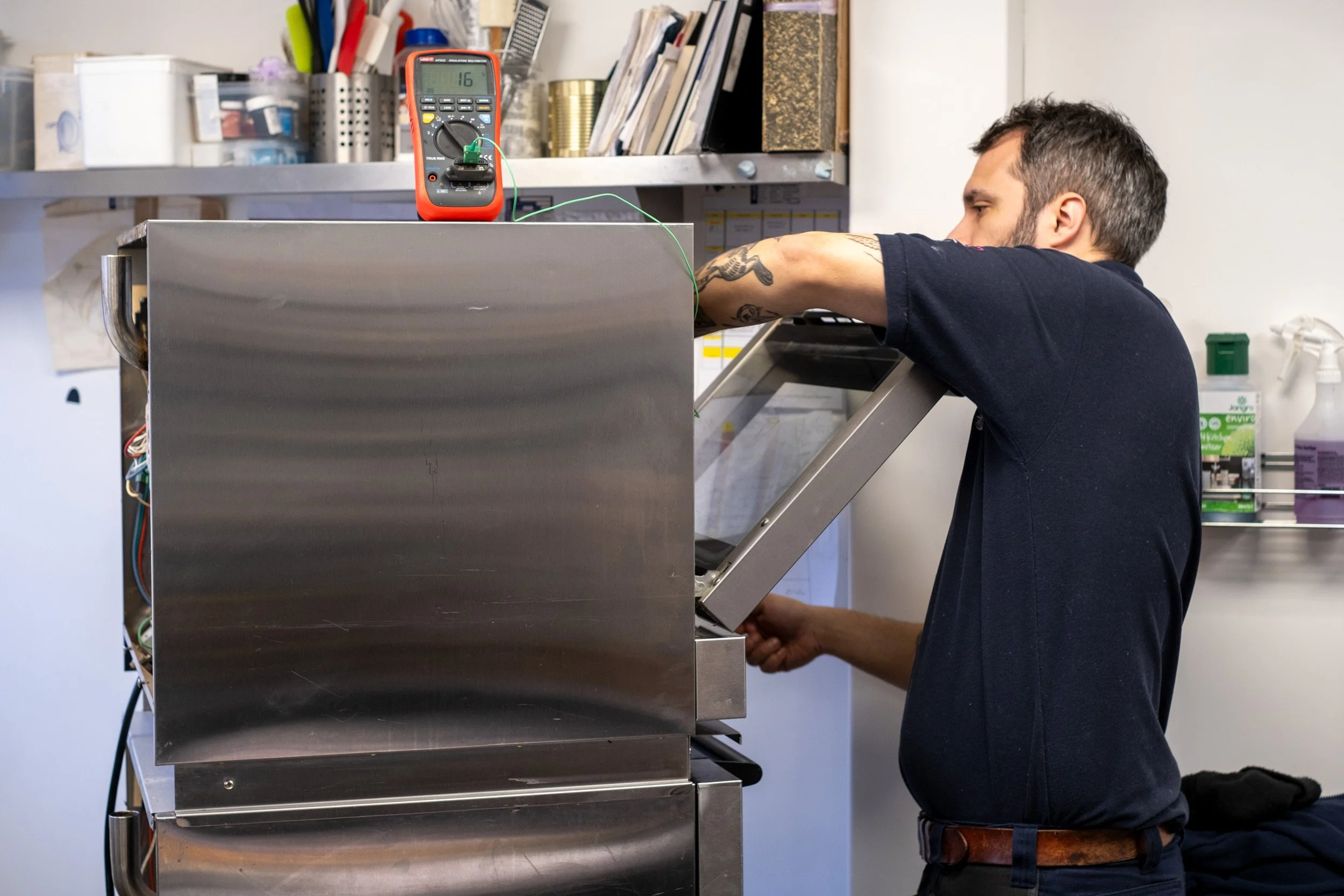
A Practical Guide for RACHP & Commercial Catering Engineers
The festive season is a high-stakes period for commercial kitchens—and the pressure on RACHP (Refrigeration, Air Conditioning & Heat Pump) and commercial catering equipment engineers is intense. While customers enjoy festive menus, engineers are working behind the scenes to keep everything running, often in challenging conditions. Here’s a deeper dive into what makes this time of year unique for our industry, and some practical, technical advice to help you get through it.
The Festive Engineering Challenge
1. Equipment at Peak Load
Refrigeration: Walk-in cold rooms and undercounter fridges run at near-constant capacity. Watch for ice build-up on evaporators and check for door seal integrity—minor leaks can quickly lead to temperature excursions and food safety risks.
Gas & Electric Cooking Equipment: Ovens, combis, and grills see non-stop use. Keep an eye out for signs of overheating, tripped thermostats, or blocked filters.
Warewashing: Dishwashers and glasswashers are pushed to their limits. Limescale build-up or blocked jets can cause mid-service failures.
2. Real-World Troubleshooting Tips
Temperature Logging: Encourage sites to maintain daily logs. Sudden temperature swings can indicate failing compressors, blocked condensers, or refrigerant issues.
Hydrocarbon Systems: Be aware of the unique safety protocols when working with R290/R600a units. Carry leak detectors and always isolate electrics before working on hydrocarbon circuits.
Gas Safety: December is a common time for overdue Gas Safe checks. Flag any signs of combustion problems—sooting, yellow flames, or CO alarms.
Electrical Isolation (LOTOTO): Always follow lock-out/tag-out procedures, especially in crowded kitchens with multiple contractors on-site.
3. Parts & Supply Chain Planning
Critical Spares: Stock up on universal parts—door gaskets, probes, relays, contactors, and fan motors. For RACHP, consider keeping a small supply of common refrigerants (within legal storage limits) and flare nuts.
Supplier Communication: Pre-order parts for known problem units. Build relationships with local suppliers who can offer same-day collections if couriers are delayed.
4. Documentation & Communication
Service Reports: Be detailed in your notes. Documenting recurring faults or borderline components helps justify urgent replacements and supports warranty claims.
Client Briefings: Set expectations with kitchen managers about realistic response times, especially if snow or traffic is likely to cause delays. Share insights on preventative maintenance they can do themselves (e.g., cleaning condenser coils, checking door closures).
5. Health, Safety & Wellbeing
Manual Handling: Lifting compressors or heat exchangers in cramped plant rooms? Don’t take shortcuts—use proper lifting aids and team up when needed.
Personal Safety: Winter means slippery yards and dark loading bays. Wear hi-vis and non-slip footwear.
Fatigue Management: Long shifts and emergency call-outs are draining. Build in breaks and don’t hesitate to flag if you’re too tired to drive safely.
Industry-Specific Best Practices
F Gas Compliance: Stay up to date with certification changes. From 2026, City & Guilds F Gas may become a 5-year renewable qualification—remind clients and colleagues to check their expiry dates.
Hydrocarbon Handling: Always ventilate workspaces and use intrinsically safe tools. Never use open flames near hydrocarbon systems.
Bespoke Training: If you encounter new tech (IoT monitoring, inverter-driven compressors, or high-efficiency heat pumps), make a note and seek out training updates in the quieter months.
Supporting Each Other
Christmas is a team effort. Engineers, kitchen staff, and managers all face unique pressures. Sharing your field fixes, flagging common faults, and supporting less experienced colleagues helps everyone get through the season.
If you want to brush up on compliance, troubleshooting, or the latest kit—look for accredited, hands-on courses. Investing in your skills now could mean fewer headaches (and call-outs) next Christmas.
Stay safe, stay sharp, and here’s to a smooth festive season for all the engineers keeping the industry running.